
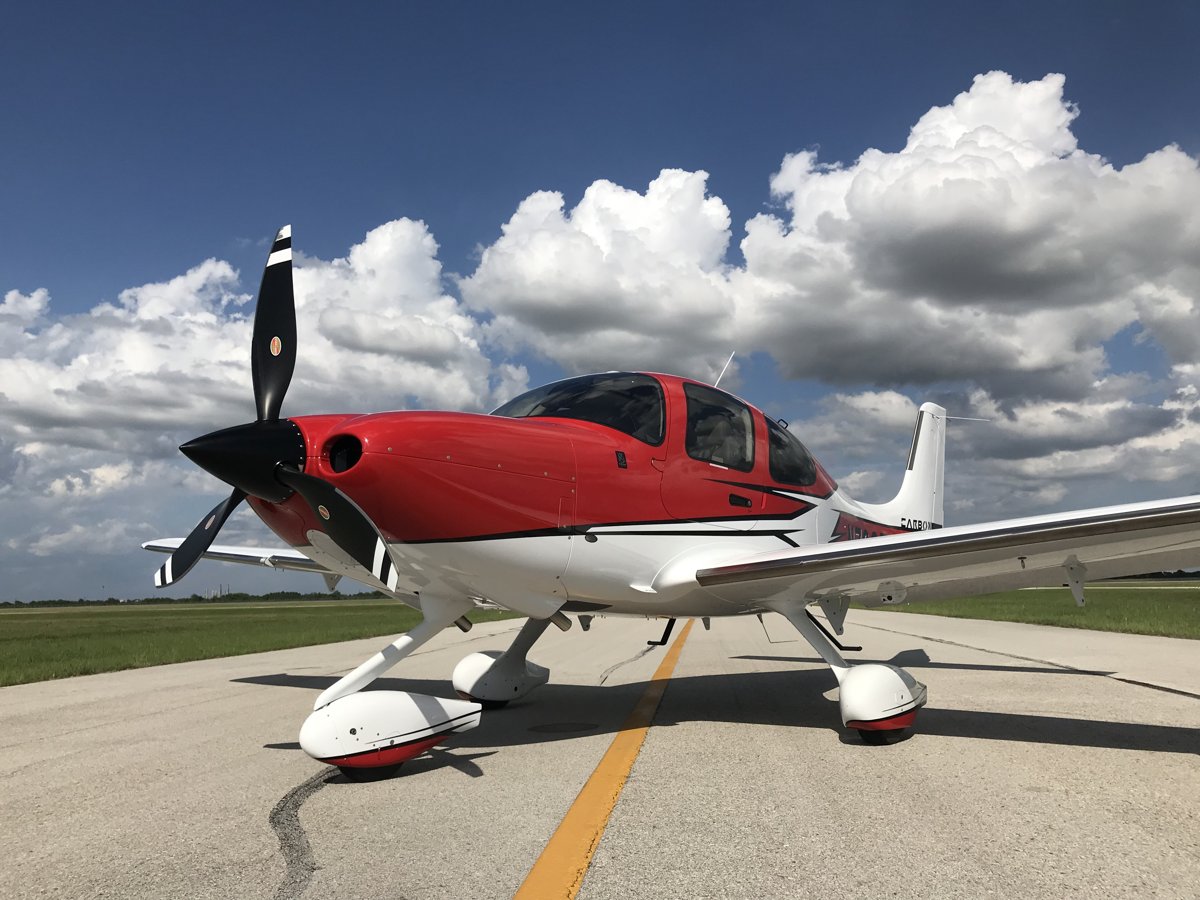

How much does an instrument rating cost?
Most pilots spend $8,000 to $15,000, and about $12,000 is typical. Here’s what drives your number, and how to keep it down.
- Updated November 2026
What drives the cost?
In short, here are the three biggest cost drivers.
-
Number of flight hours
Every hour in the aircraft increases cost faster than other factors, so the number of hours you fly drives most of your total.
What drives flight hours -
Hourly aircraft cost
Renters pay the hourly rental rate. If you own your airplane, it’s mainly fuel and engine reserve.
-
Instructor cost
Usually your next largest expense. But a good CFII can save you 40% or more on your total cost by making every flight count.
What drives the number of flight hours?
Other than the FAA minimum aeronautical experience requirements, these three things are the biggest factors in how many hours you will need.
-
Simulator usage
Up to 20 hours of your instrument time can be done in an approved simulator. Simulator time cannot count toward cross-country time however.
-
Training quality
Many instrument ratings take 40–50% more flight time than the FAA minimum. The quality of each flight usually makes the difference.
See what makes the difference -
Training continuity
Flying often, with one instructor or one training plan at least, helps tremendously. Long gaps between lessons, skipped material, and CFI differences in procedural technique add time.
Training quality and continuity
Many instrument ratings cost much more than necessary. These four things help keep every flight productive.
-
Combine cross-country and instrument time
Log cross-country time and instrument time on every flight as needed, so one flight counts toward both.
-
Brief before every flight
Go over the maneuvers and procedures to be flown with your instructor before each flight, to minimize surprises, frustration, and lost time.
-
An instructor who knows your avionics
Your CFII should understand your aircraft’s navigation equipment and autopilot, and be able (and willing) to explain it before and after each flight.
-
Training continuity
Fly often, with the same instructor, so each lesson builds on the last one instead of reviewing it.
Estimate your cost for either training path.
Pick a path and move the sliders for a ballpark total. Your custom quote is based on your experience, aircraft and schedule.
Accelerated IFR
10–15 daysFull-time training with one dedicated CFII, priced by the day.
See Accelerated IFRTraditional IFR
1–3 lessons a weekLessons that fit around work and life, priced by the hour.
See Traditional IFR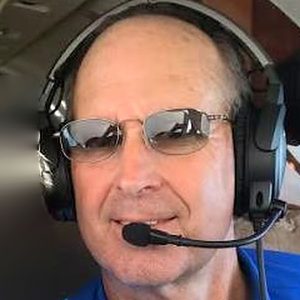
“In just 10 days, right from my home airport, I went from VFR pilot to instrument rated. My instructor knew my Cherokee inside and out, and it showed.”
Common questions
Not necessarily. It’s priced by the day instead of by the hour, and flying every day keeps skills fresh, which often means fewer total hours.
There are two: the FAA knowledge test, about $300 at a testing center, and your checkride, about $1,000 paid to the examiner. Examiner fees vary by region, so ask us for yours during your consultation.
Pros: a lower hourly cost, no weather cancellations, and you can pause or repeat any procedure. Cons: simulators vary in their training “fidelity”.
You’re all set,
Thanks for telling us about your instrument training goals.
Free training consultation
Ready for your custom quote?
Tell us a little about you and a real flight instructor will reach out with a quote built around your hours, your aircraft and your schedule.
- Free, no-obligation consultation
- Matched with a CFII who fits your schedule
- A quote based on your experience and aircraft
No spam. We only use this to contact you about your instrument flight training.
Prefer to talk now?
What happens next…
-
1
We review your goals We look over your answers, including your aircraft and where you are with the written.
-
2
We reach out within 24 hours Expect a call or email from our team. We’ll talk through your options and answer any questions.
-
3
We build your plan together We match you with a CFII who fits your schedule and map out every step to your checkride.
Since you’re prepping for the written
Try our IFR test prep free
Study by chapter, take full-length practice tests and get your endorsement, on any device.
- Free for 7 days
- No credit card needed
- Pass guarantee
Don’t want to wait?
Chat with us now, or give us a call.